Marriage has changed dramatically over the years. What once depended heavily on family, tradition and social responsibility is now increasingly built around love, emotional compatibility, personal choice and individual freedom.
Yet, despite having more freedom to choose a partner and greater awareness about relationships, many modern marriages struggle to survive. Why?
The answer is not simply that people have stopped believing in marriage. Rather, modern relationships face a different set of challenges. Changing expectations, communication gaps, financial pressures, social media, career demands and emotional disconnection can slowly create distance between two people who once felt deeply connected.
For couples in a rapidly developing urban environment such as Kakkanad, Kochi, where professional life, technology and changing lifestyles are part of everyday life, understanding these challenges has become particularly important.
1. Unrealistic Expectations About Marriage
One of the biggest reasons modern marriages struggle is unrealistic expectations.
Many people enter marriage believing that their partner should automatically understand their feelings, fulfil their emotional needs, support every decision and keep the relationship exciting at all times.
Real marriage is different.
A partner cannot be everything to another person all the time. Marriage involves compromise, patience, changing circumstances and continuous effort. When reality does not match expectations, disappointment can gradually turn into resentment.
Healthy marriages are not built on perfection. They are built on the ability to accept imperfections while continuing to grow together.
2. Communication Is Becoming More Difficult
Technology has made communication easier, but emotional communication can sometimes become harder.
Couples may spend hours communicating through messages and social media while avoiding meaningful conversations about their feelings, fears, expectations and problems.
A simple disagreement can become a cycle of blame:
“You never understand me.”
“You always do this.”
“You don’t care about my feelings.”
Instead of discussing the actual problem, couples begin defending themselves.
Effective communication requires listening as much as speaking. Sometimes the most important question in a marriage is not “Who is right?” but “What is my partner trying to tell me?”
3. Social Media Creates Unrealistic Comparisons
Social media often shows the happiest moments of other people’s lives—romantic holidays, anniversaries, gifts, celebrations and picture-perfect families.
Comparing one’s real marriage with someone else’s carefully selected online image can create dissatisfaction.
A couple may begin thinking:
“Why aren’t we this happy?”
“Why doesn’t my partner do things like that?”
But social media rarely shows the arguments, financial difficulties, insecurities and ordinary struggles behind those photographs.
A healthy marriage cannot be measured against someone else’s Instagram or Facebook feed.
4. Individual Freedom Can Become Emotional Distance
Modern relationships rightly place importance on personal independence. Having one’s own career, friendships, interests and goals can be healthy.
However, independence and emotional isolation are not the same thing.
When partners become so focused on their individual lives that they stop making time for each other, emotional intimacy can gradually disappear.
Marriage requires two individuals to maintain their identity and intentionally create a shared life.
The goal is not to lose yourself in marriage. The goal is to grow without losing the connection between you.
5. Financial and Career Pressure
Modern couples often face demanding careers, long working hours, commuting, financial commitments, housing expenses and responsibilities toward children or parents.
In places such as Kakkanad, where professional and technology-oriented lifestyles are increasingly common, work can easily consume a large part of everyday life.
A couple may live in the same house but spend very little meaningful time together.
Over time, conversations can become limited to:
- Bills
- Children’s needs
- Household responsibilities
- Work schedules
- Shopping
- Practical decisions
The relationship itself can get pushed into the background.
6. The Fear of Compromise
Compromise is sometimes misunderstood as weakness.
In reality, healthy compromise means recognising that two people can have different needs and still build a life together.
Modern relationships often emphasise individual rights and boundaries—which are important—but a lasting marriage also requires flexibility.
Not every disagreement needs a winner.
Sometimes protecting the relationship is more important than proving that you are right.
7. Emotional Needs Are Often Left Unspoken
A partner may feel lonely, unappreciated or emotionally neglected without knowing how to express it.
Instead of saying:
“I need more quality time with you,”
they may say:
“You don’t care about me anymore.”
Instead of:
“I feel overwhelmed and need your support,”
they may become angry or withdraw.
Unexpressed emotional needs can eventually become resentment.
Learning to communicate emotions clearly can prevent many small problems from becoming major relationship crises.
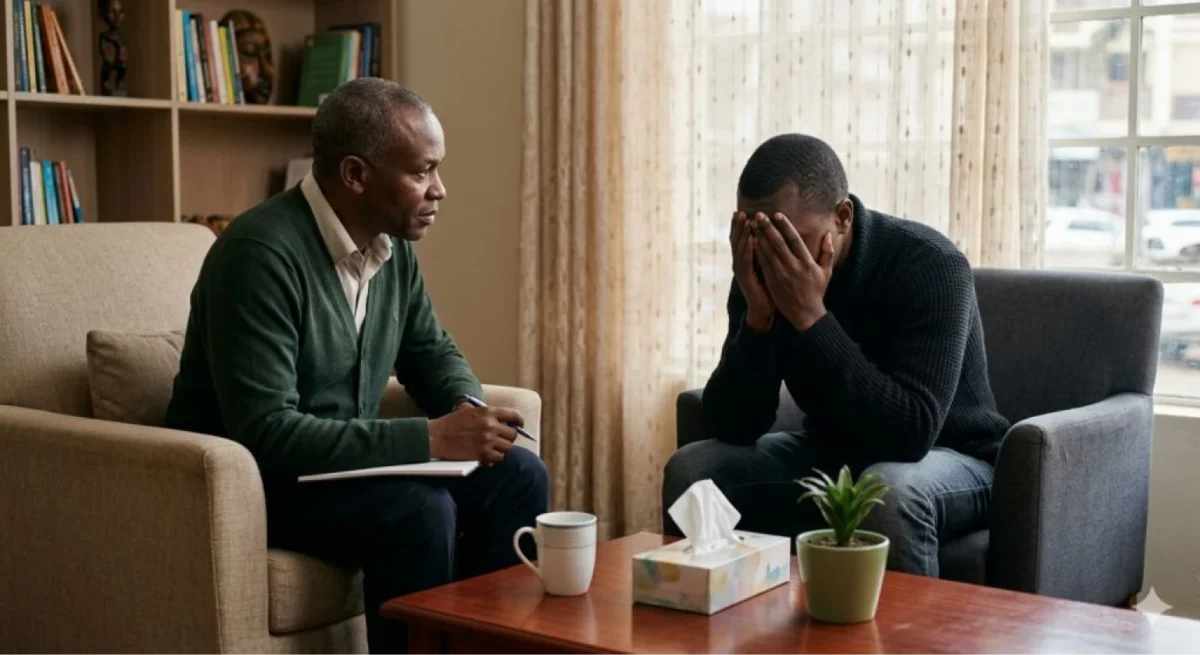
8. Couples Sometimes Seek Help Too Late
One common misconception is that counselling is only for couples whose marriage is about to end.
That is not true.
Couples counselling can also be useful when partners simply want to improve communication, understand recurring conflicts or rebuild emotional connection.
Seeking professional support does not necessarily mean that a marriage has failed. Sometimes it means that both partners care enough about the relationship to work on it.
For people looking for professional psychological or counselling support around Kakkanad, there are several local options, including MINDMARIS PSYCHOLOGY CENTRE, Wellness Clinic | Psychologists in Kochi | Child & Family Counseling Center in Kochi, Ernakulam and ElloMind Online Counseling & Therapy | Clinical Psychologist in Kochi.
So, Why Don’t Modern Marriages Last?
It would be unfair to say that modern marriages simply don’t last. Many couples build deeply loving and lasting relationships.
The bigger issue is that marriage today requires a different kind of emotional skill.
Love alone may bring two people together, but lasting relationships also need:
Communication.
Emotional maturity.
Respect.
Trust.
Shared responsibility.
Healthy boundaries.
Willingness to compromise.
Quality time.
A commitment to grow together.
Marriage is not a destination where everything becomes perfect after the wedding. It is an ongoing relationship that changes as people change.
A Stronger Marriage Starts With Small Changes
Couples do not always need dramatic solutions. Sometimes meaningful change begins with simple actions:
Put the phone away and talk for 20 minutes.
Ask your partner how they are feeling—not just what they accomplished.
Listen without immediately trying to defend yourself.
Express appreciation for ordinary things.
Discuss money openly.
Make time for each other even during busy weeks.
Learn how to disagree without disrespecting one another.
And when problems become difficult to resolve, don’t be afraid to seek professional guidance.
Final Thoughts
The modern marriage is not necessarily weaker than the marriage of previous generations. It is simply navigating a different world.
People today expect emotional intimacy, equality, independence, companionship and personal fulfilment from marriage. Those expectations can create challenges, but they can also create healthier relationships when approached with maturity and understanding.
A lasting marriage does not mean two people never disagree.
It means two people continue choosing communication over silence, understanding over assumptions, and connection over ego.
Marriage survives not because two people are perfect, but because they are willing to keep working on the relationship.
If you are experiencing persistent conflict, emotional distance or communication difficulties in your relationship, seeking support from a qualified mental-health professional or couples counsellor can be a constructive step.